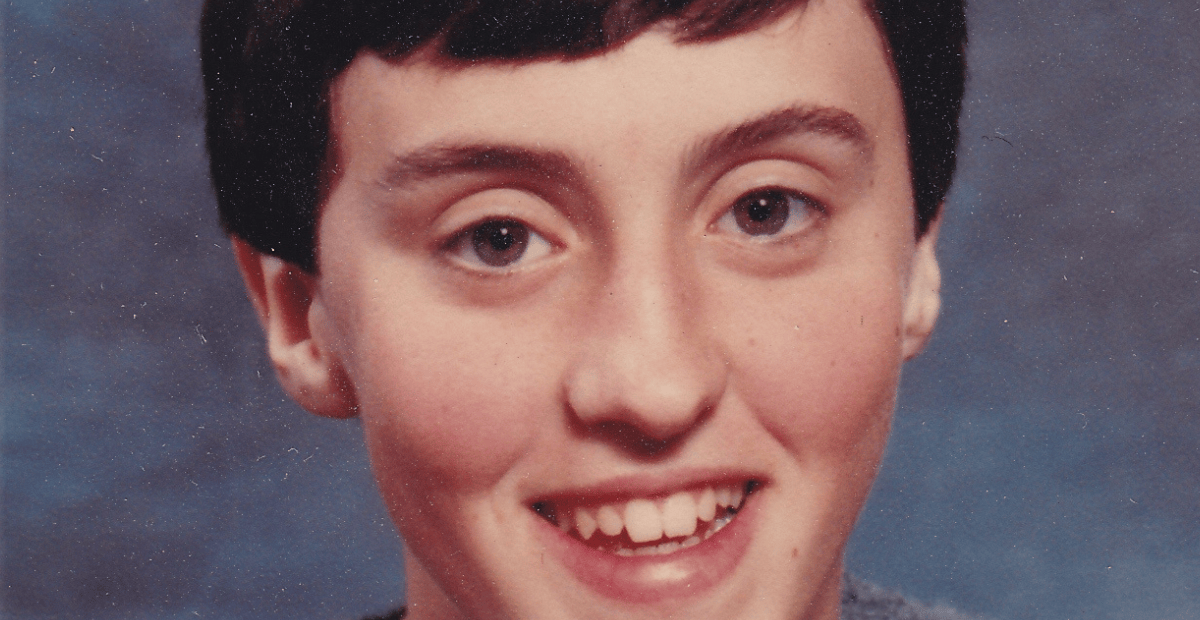
Pinned. A story of texture.
I come from a long line of haberdashers, a long line of unfiltered haberdashers. My life as a child was filled with knicker elastic and endless buttons, Cash’s school name tags and Vogue pattern books. Seersucker and satin. Wundaweb and binding tape. Circles of glass head pins and endless plastic rain bonnets. The fabric of my young self, forever stitched into my soul, one thread at a time, the sounds of the shiny dressmaker’s shears ripping across a brass yardstick of instant skirt forever haunting me no matter how far I flee.
Born in Essex in 1969, the move to Frinton, the coastal town my teenage soul always wished they’d closed down, and the house my father’s mother rented to us in her bungalow’s garden soon followed in 1974. An awkward kid more at home amongst the tin of reject buttons in the back of my Granny’s shop than with the gossiping Essex widows stood by the counter. Women I couldn’t help but secretly admire, all pinnies and pert bosoms, their many, many layers of underwear providing the coats of armour needed to protect them from the tales they had lived to tell, twin tubs and all.
I didn’t know then that the visceral response I had to the textiles in that childhood Haberdasher’s House was because of my undiagnosed neurodivergent wiring. That the static everyone else coped with without a flinch would forever floor me for a reason. But, my how I loved the order of this stock-taker’s dream. The order so present on those haberdasher’s shelves, the wheels of glass head pins, the binds of trimmings, the stacks of knitting needles, the carousel of buttons, the scissors aligned with perfect symmetry, the coloured bolts of fabric sat just so, so perfectly and atypically just so. The Butterick pattern books displayed at the back of the shop sat so proudly, the thin shiny paper pages ready to cut fingers as it delivered those ballgown daydreams to housewives desperate for escape.
For every dreamer of dinner party glam and social whirls imagining patterned love, the seaside town reality of the English summer meant the glam came see-through as the sales of plastic rain bonnets kept the haberdashers afloat as the transparent saviours of the set and blow-dry of Frinton’s soggy visitors flew out the door. First saving my Granny’s business and then my father’s, who took on the housewives’ favourites when she retired. An inheritance I swerved; it was, however, a sanctuary of stability from my dysfunctional family- a cousin here, an aunt there- the only time, as I grew older, I could see my father as divorce claimed the normality of yet another family. I counted buttons, arranged zips, straightened knitting needles, sorted bobbins, sharpened shears and marvelled at the many who would succumb to the temptation of my father’s runaway best seller, the instant maxi skirt. Measure your waist, pick your pattern, cut the bolt of elasticated topped pre-hemmed fabric, sew the edges together and voila! The slovenly housewife’s cheat dressmaker’s godsend at only £1.79 a yard in 18 different colourways.
I would stand beside the shop counter after school and listen to my dad, the instant skirt king, failing to block out the texture of my polyester school skirt riding up against my nylon petticoat and grey woollen tights, the static too loud for my neurodivergent brain to ignore, the discomfort seemingly signalling the rejection to come. But still they would. Lectures on life, soundtracked by the distant burbles of Radio 1’s Steve Wright in the afternoooooooooon, as my dad told me how it was, over and over and over. Work hard, save lots, be grateful. Look up. Make eye contact. Work harder. Don’t be who you are. Be better. Always be better. An endless diatribe in hushed tones, interrupted only by the purchase of a customer, her payment made as the till tolled the numbers keeping the family business afloat as my dad worked harder. The echo of my mother’s words was in his head every day as he blamed my other parent for the ills of his world, as she blamed him for hers, as requests for new school shoes or books and day trips were met with the disdain of a man wronged, a man supposedly already rinsed by his begrudgingly paid payments of child allowance. “You’re just like your bloody father”, she would shrill as I returned empty-handed from the shop, the begging bowl ignored, the shoes not paid for. “You’re just like your bloody mother”, he’d respond as I returned the next day with another request for school shoes. Another rejection incoming.
And yet I would always return, the need for a parent to understand me, to embrace the true me, ensuring the rejection was tolerated in the hope, the faint hope of acceptance. Of a yes, of a moment when my parents thought not of the hatred they had for each other, the battle their marriage had become, but for the kid in the middle. Of course none of us knew this sensitive child was that way for a reason, that indeed the sensitivity they labelled as difficult, as sulking, as awkward, as mardy-arsed was probably inherited from their fucked up wiring. That the textures I grew up around as a haberdasher’s child had the ability to paralyse me, whilst the shop that stocked them ironically gave me the clarity I needed in my brain to navigate the words spoken, the lectures given, the path signalled. That the hand-me-downs from my eldest cousin, often handmade by my aunt where like nylon straitjackets destined to short-circuit my ability to stifle the sensory overload. That the shop floor was never the place for a child to ask a parent for love. That the situation my parents and I found ourselves in would mean I would always be shortchanged. That the rejection sensitivity dysphoria this kid in woolly tights endured each time they asked for something would cut deeper than any dressmaker’s shears could ever do.
The fabric of this haberdasher ran deep throughout my family. Sown deep, real deep. Each Christmas I would be rewarded by a handmade moment from my mother. A declaration of love, no matter how clumsily delivered. The sewing cupboard my father had made her when they first moved to Frinton would spill open, the offcuts and threads, ribbons and tassels competing for daylight as she and my Nan would beckon me and my sister forward for an afternoon this autistic kid would have dreaded for months. Stripped to pants and vest, we would take it in turns to stand on a chair in the middle of the dining room, as each of the matriarchs, mouths filled with pins but still able to bark instructions at these most ungrateful of kids, wrapped pieces of fabric around our embarrassed bodies, in preparation for the surprise Christmas outfit. Pins stuck in a little too close to the skin, fabrics itching, the sensations overwhelming as I stood there. Stood there. Stood there. Wishing it was over, wondering why the surprise my sister so excitingly anticipated each year I dreaded so. And all whilst blindfolded. The surprise not to be ruined by my eyesight falling on the floral patterned nylon fabric, the embroidery anglaise trim, the shiny matching buttons, the zip that always caught me, no matter how skilled the seamstress.
I knew then there was something not quite right with me. This early December ritual so cherished by the women in our family, brewed up, biscuits dunked, gossip shared, clip round the earhole regularly delivered, something I couldn’t abide. Stand still, child, stand still. Enjoyed by them but never by me. The fidget blamed, but the wiring the reason. The sensory overload torturing me, the internal tantrum like a tick I had to restrain; my skin was filled with twitching electric eels, my overloaded yells so close to the surface, restraining it exhausted me. The process of pins and pinches, the result of skirts and discomfort. It was never me. I never fitted in even when at a fitting. The haberdasher’s kid was so restless for something else, never knowing what that might be or how to find a way to fit. So I shut my eyes, endured their handicraft, swallowed the tick, the scream, the desperation to run, and hoped for a swift sew. Later I would learn to call it masking; back then I called it survival.
Much like I did back in my dad’s shop. Lectures given, rejections made, disappointments not displayed. Much like I did until that day I put my life into the back of a friend’s battered Ford Fiesta and sped away to college. To freedom. 18 years served. My new queer life just beginning.
No one pins me down anymore; I’ve never worn a nylon petticoat since, and the lectures my father still gives me, and the occasional clip round the ear my mother once aimed at me, are softened now by the love of those I know will never reject me. Like my Granny’s button tin inherited from those childhood draper days, I find comfort in the rose-tinted memories of my haberdasher life. The textures that made me, the order that saved me, the shop that shaped me. One wonky stitch at a time.
©️Kate Wildblood 2026
Pinned was shortlisted for the Creative Future’s Writers Award 2026. Blimey.
 Wildblood and Queenie