To be with others who get you is always a blessing. Shared experiences, shared lives, shared appreciation. The connection to Charleston (one of my favourite places in the world), courtesy of a group of fellow fruitcakes (our words, not yours!), was always meant to be. Only I didn’t know how truly life-changing it would be, seeing myself as others see me, the mad others. The mad others like me.
As one cog in the Mad Heritage Collective, I got to contribute to Charleston’s latest exhibition, a pinch-me moment made possible by the team at Charleston and the ever-generous, ever-seeing Hazel McMichael. A moment of reality, reflection, and creation, as we celebrate the terms that once condemned us, examine the past lived experience of madness within Bloomsbury and find community with the souls who know how it truly is today. A call to action I’m so glad I heeded, a Mad Heritage Collective that is now a part of me. A tribe I always knew I belong to, a tribe I have finally proudly found.
Mad Bloomsbury
4 November 2026—11 April 2027
Charleston in Lewes
Pay What You Can
Drawing on new research and lived experience, this exhibition looks again at familiar and forgotten Bloomsbury histories. Bringing together art, objects and never-before- exhibited works from Charleston’s collection, the exhibition explores how the Bloomsbury group engaged with changing ideas about madness in 20th-century Britain.
The exhibition coincides with the centenary of Virginia Woolf’s essay ‘On Being Ill’ (1926) and includes a rare public display of works by Helen Coombe. Coombe was married to the painter and critic Roger Fry, a central figure in the Bloomsbury group, and spent much of her adult life in a psychiatric institution. This exhibition reflects a wider shift in how Charleston tells its own history and acts as a sector-leading approach to telling these histories.
Curator Hazel McMichael looks at these histories through the social model of disability and neurodiversity, and traces where they meet queer and feminist histories as well as questions of class.
The exhibition features art and interpretation by members of the Mad Heritage Collective, our co-production partner. It is curated by Hazel McMichael, Charleston’s Curating Visibility Fellow and creative mind behind the ‘Cracked’ installation at Charleston in Firle last season.
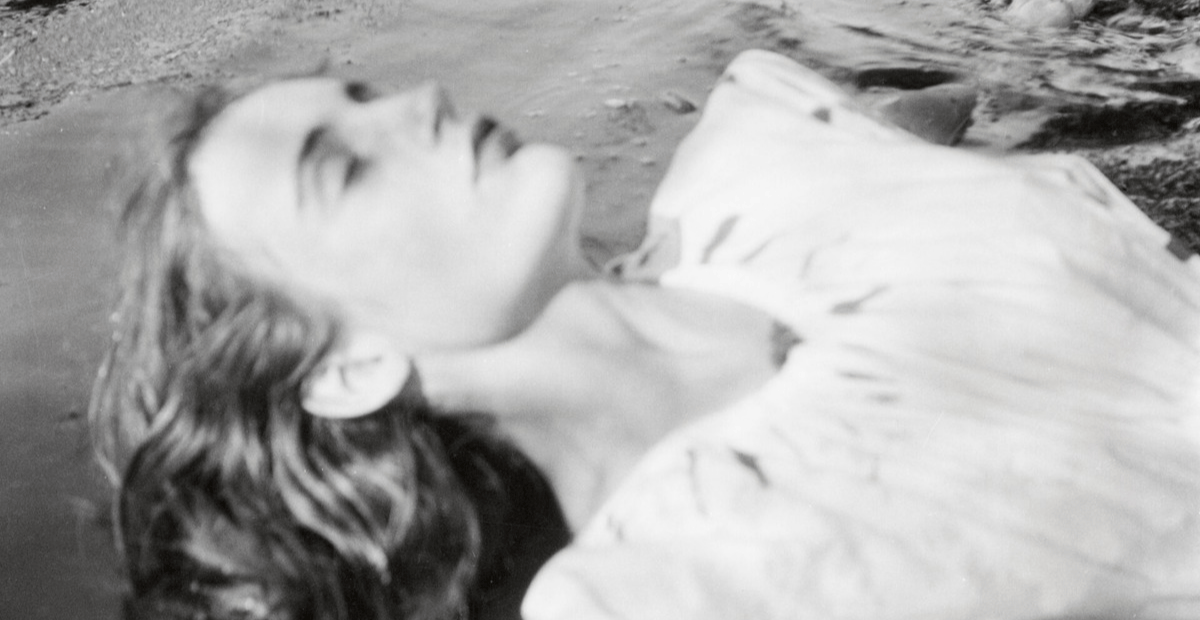
Angelica Bell in the pond as Ophelia at Charleston, Firle, Sussex, copyright Tate

